Naphtha
Naphtha is a highly volatile, flammable liquid hydrocarbon mixture derived from the distillation of crude oil or natural gas condensates. It is an intermediate product in the petroleum refining process and serves as a key feedstock for various industrial applications.
Types of Naphtha:
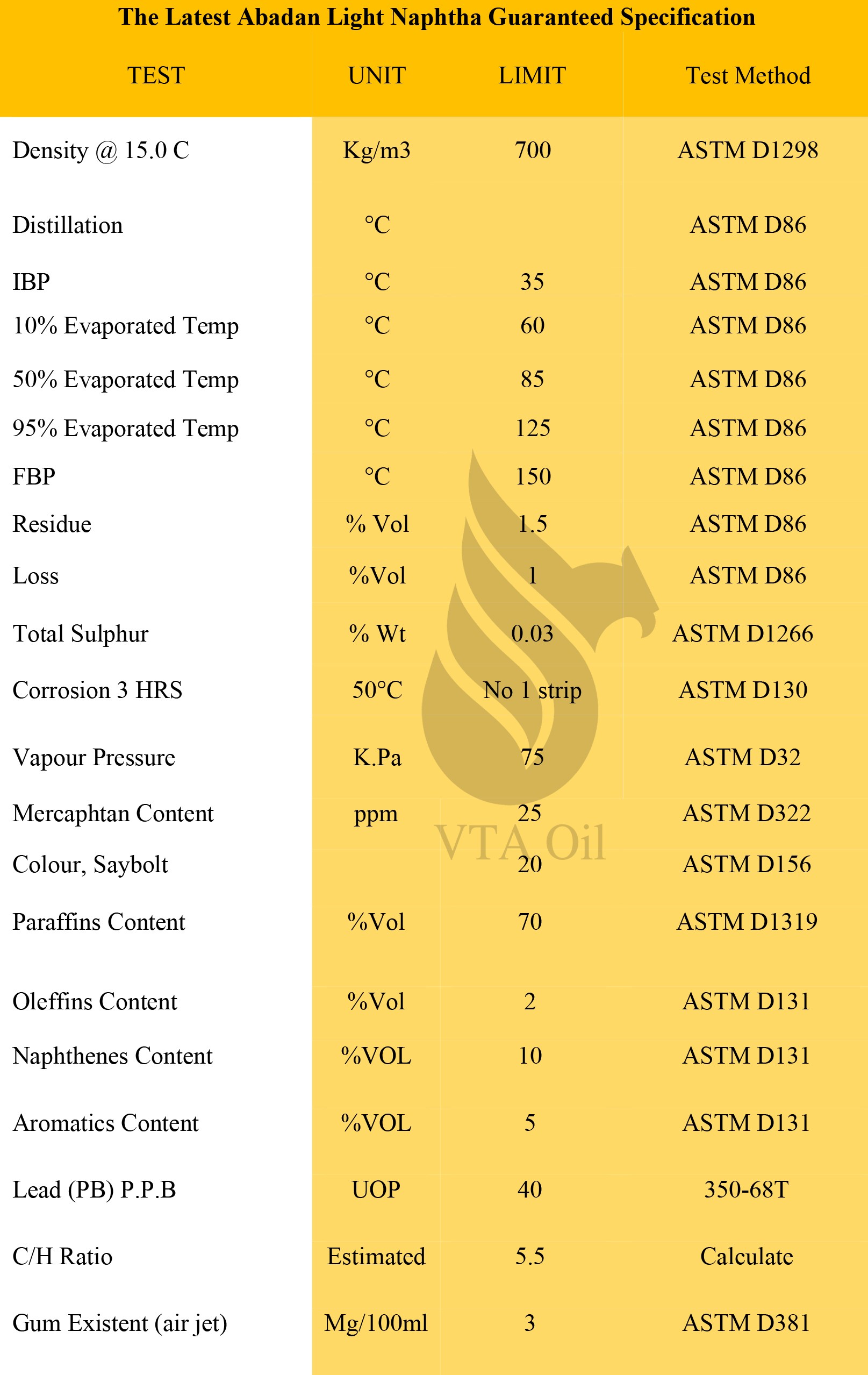
1. Light Naphtha: Contains lighter hydrocarbons (C5–C6 range) and is used primarily in petrochemical processes.
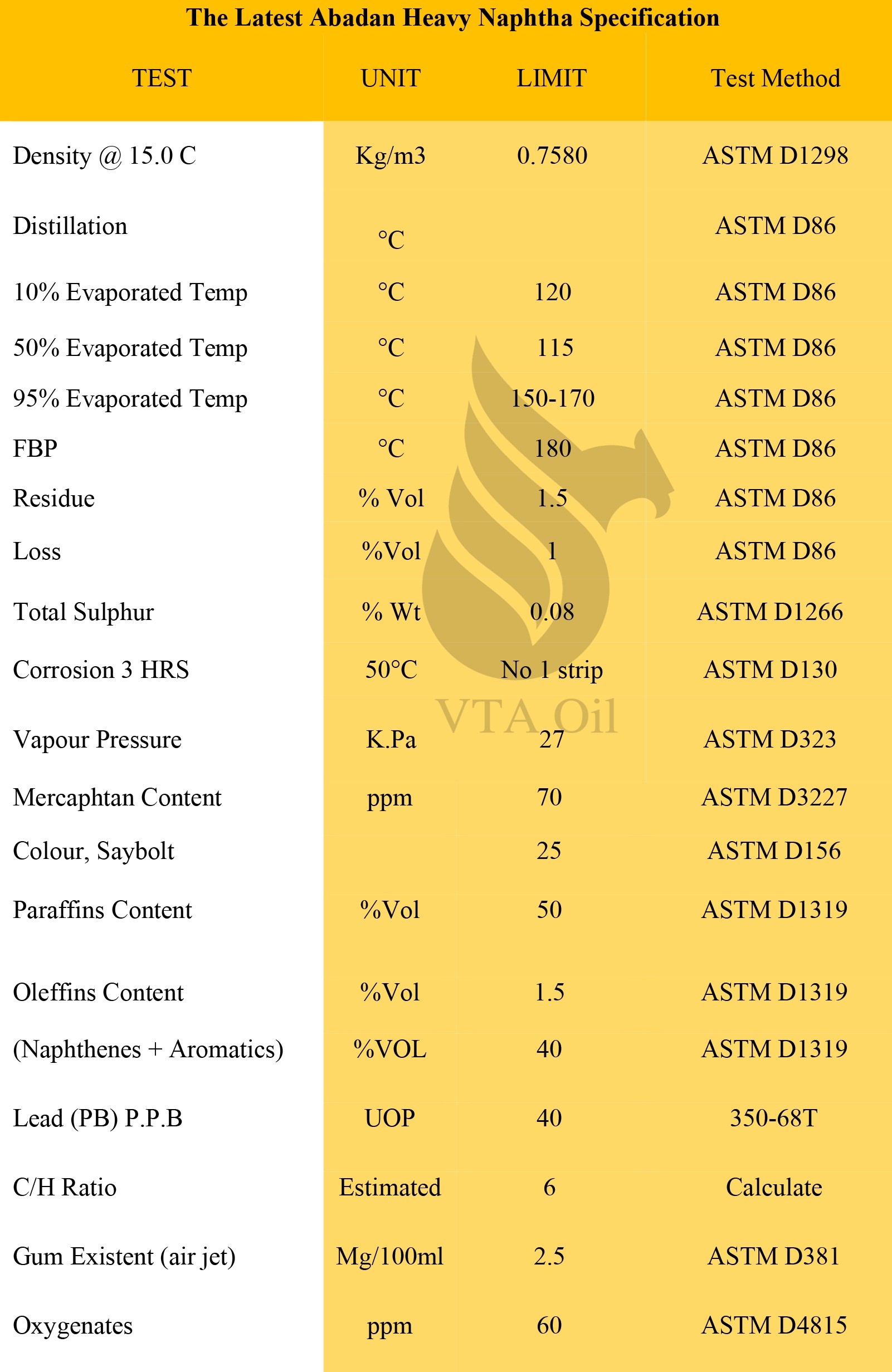
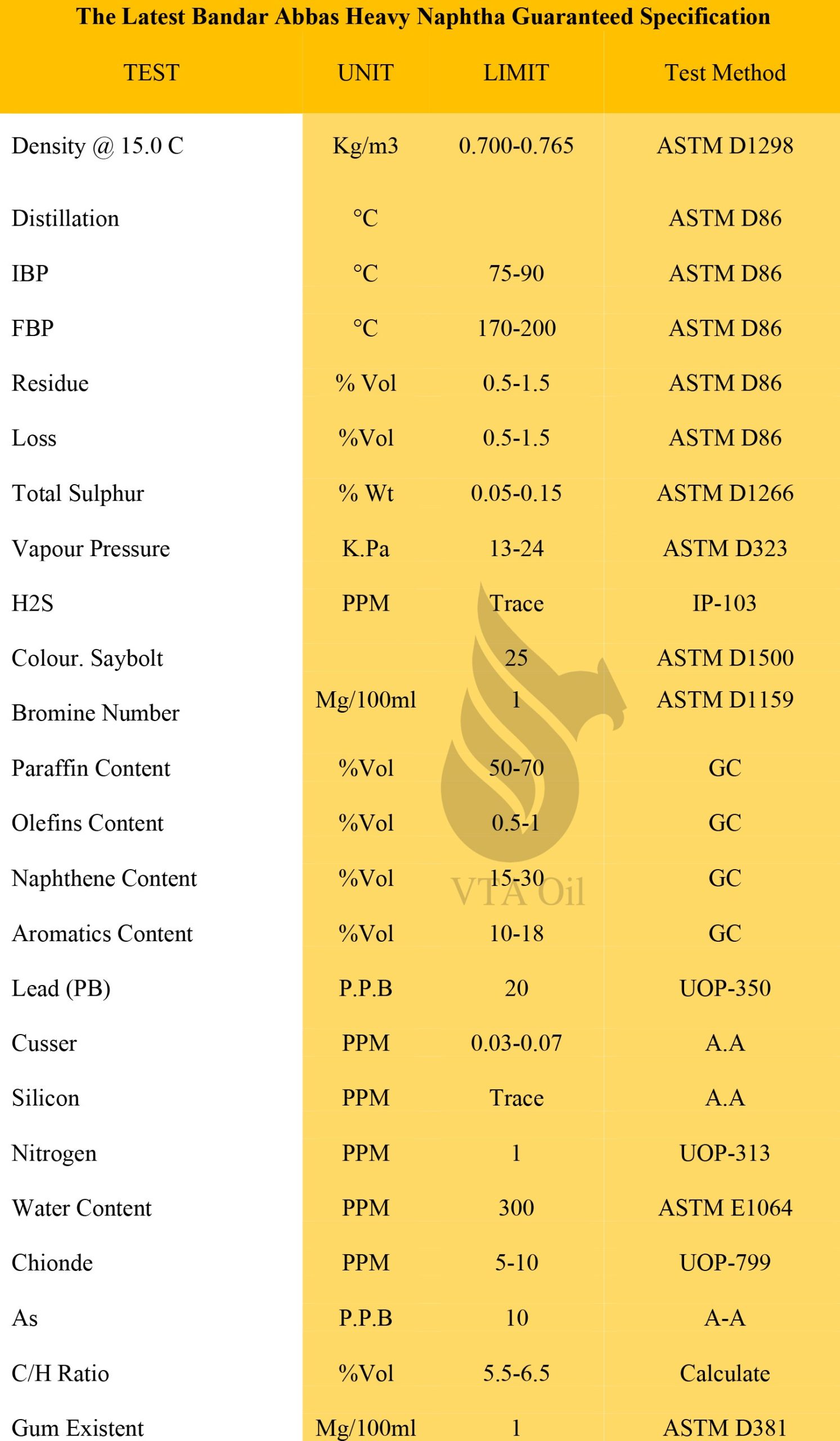
2. Heavy Naphtha: Contains heavier hydrocarbons (C7–C10 range) and is often used in reforming to produce high-octane fuels.
Properties and Characteristics:
• Composition: A mix of alkanes, cycloalkanes, and aromatic hydrocarbons.
• Boiling Range: Typically between 30–200°C (86–392°F).
• Volatility: Highly volatile and evaporates quickly at room temperature.
• Color: Colorless or pale yellow.
Uses of Naphtha:
1. Petrochemical Feedstock: Used to produce ethylene, propylene, and other chemicals through steam cracking.
2. Gasoline Production: Used in catalytic reforming processes to enhance the octane number of gasoline.
3. Solvent: Used in industries as a cleaning agent, paint thinner, and solvent for adhesives.
4. Energy Production: Can be used as a fuel in power plants or blended into gasoline.
5. Rubber Industry: Used as a solvent in the manufacturing of synthetic rubber.
Environmental and Safety Considerations:
• Flammability: Highly flammable and poses a fire hazard.
• Toxicity: Inhalation or prolonged exposure can lead to health issues such as dizziness, nausea, or long-term respiratory problems.
• Environmental Impact: Spillage can contaminate soil and water, requiring careful handling and storage.