Gas Condensate
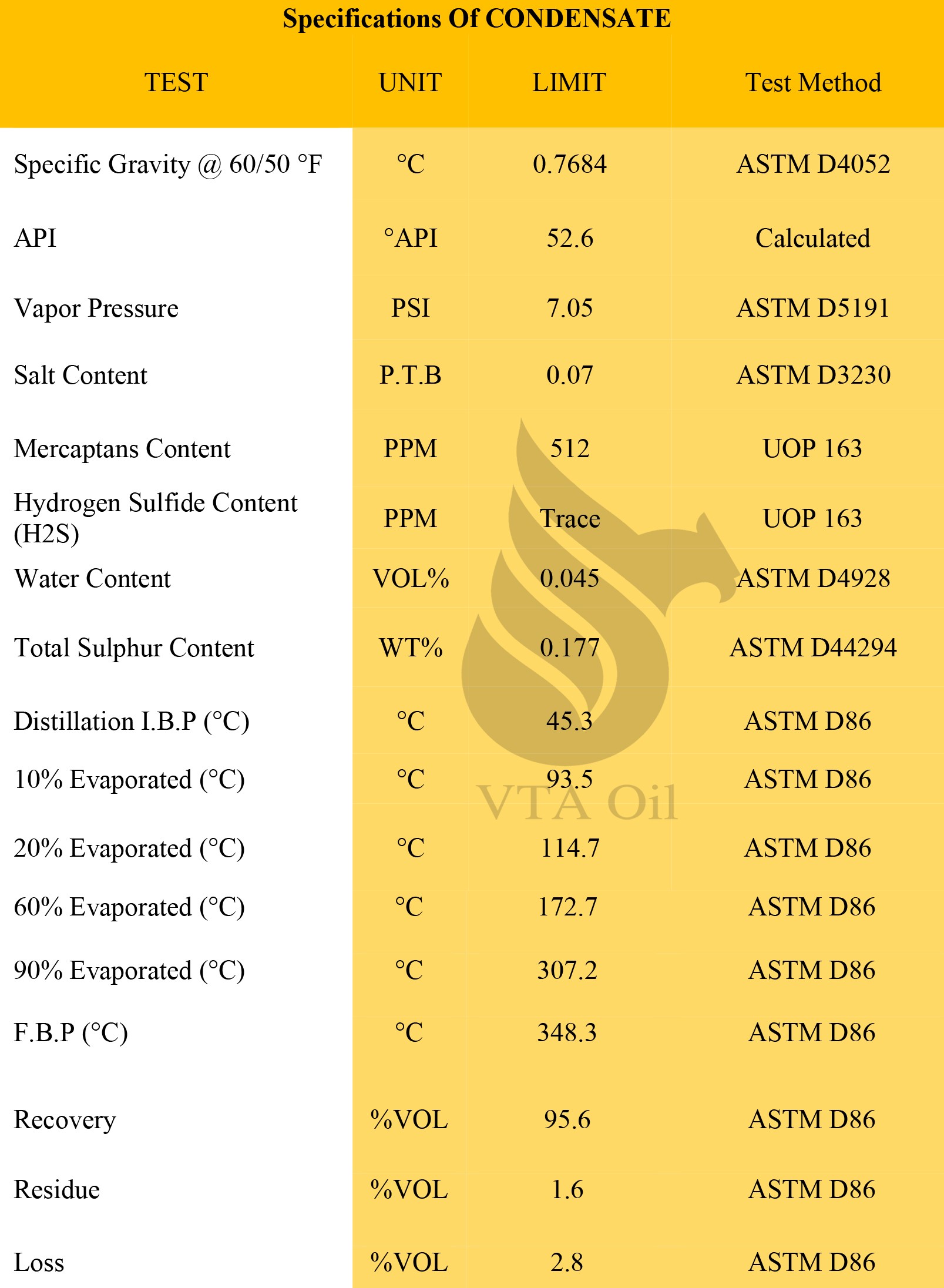
Gas condensates are light hydrocarbon compounds that exist as gases in underground reservoirs but condense into liquids when pressure and temperature decrease (e.g., when brought to the surface). These compounds are typically produced alongside natural gas and are considered a valuable component of hydrocarbon products.
Characteristics:
1. Chemical Composition:
Gas condensates primarily consist of alkanes, especially light hydrocarbons such as propane, butane, and pentane.
2. Low Density:
They have lower density compared to crude oil, often referred to as “light oil.”
Applications in Derivatives:
1. Fuel Production:
Gas condensates are key raw materials for producing gasoline, diesel, and jet fuel.
2. Petrochemical Feedstock:
They are used to produce petrochemical products such as plastics, fertilizers, and industrial chemicals.
3. Lubricants:
They serve as base materials for manufacturing various lubricants and industrial solvents.
Advantages and Importance:
• Due to their light composition, gas condensates are easier to refine compared to crude oil.
• They hold high economic value and play a crucial role in energy supply and derivative production.